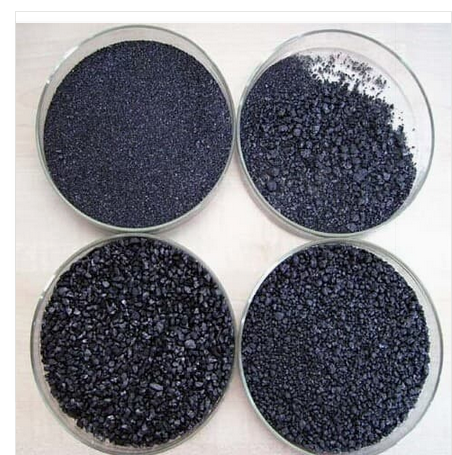
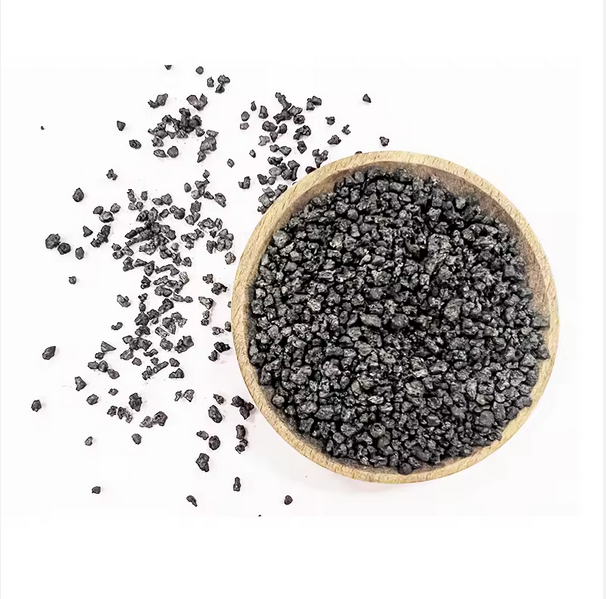
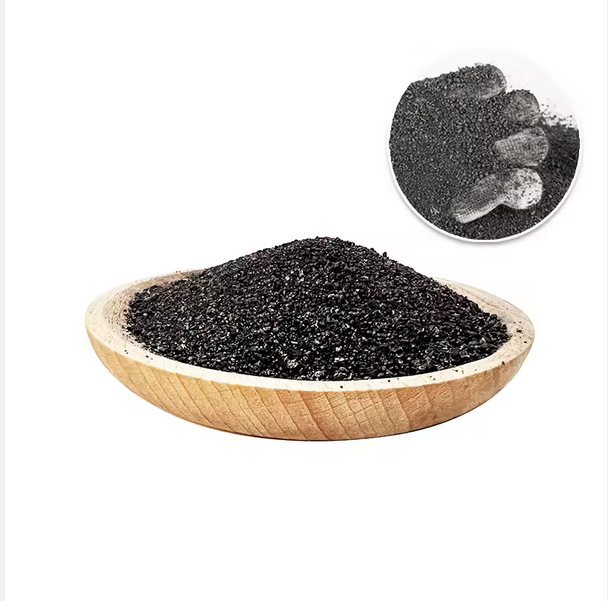
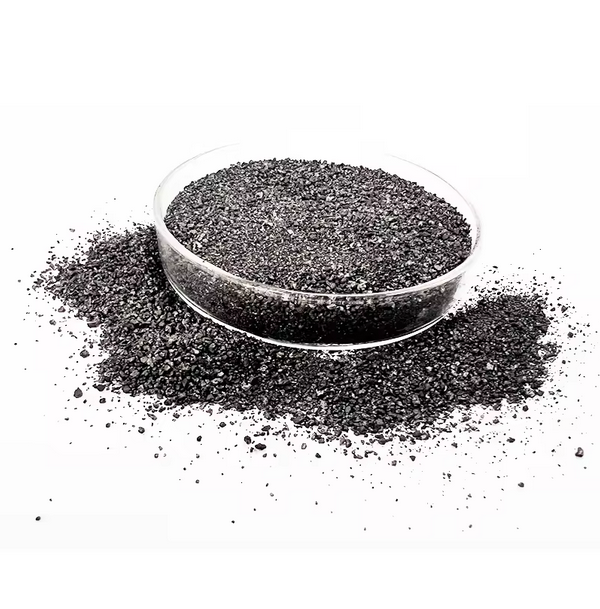
Petroleum coke is a byproduct of the oil refining industry and refers to all types of carbonaceous solids derived from oil refining, including crude, calcined and needle coke. It should be noted that this coke is used in many applications, including electrodes and anodes. It is also widely used as a fuel in steel and brick industries. In other words, petroleum coke is a relatively cheap material with high calorific value and carbon content with good chemical stability, which makes it an efficient and economical fuel for the production of metal, bricks and related products. Since most of the content of this material is the carbon element, it provides the necessary heat and burns without causing significant pollution.
Our Suppliers
The role of petroleum coke in graphite electrode production
One of the most common uses of petroleum coke is the use of this coke in the production of coloring materials, as well as its use as fuel and carbon black asphalt raw materials. Graphite can also be produced from petroleum coke. As you know, graphite is the primary ingredient in the production of graphite electrodes for electric arc furnaces in the steel industry. It should be noted that the specifications of these electrodes depend a lot on the quality and purity of the petroleum coke used. For example, those graphite electrodes that have a low thermal expansion coefficient with high temperature resistance are in high demand in the steel industry compared to other graphite electrodes.
It is necessary to explain that calcined petroleum coke (cpc), which often contains little sulfur and metal impurities, is used to make anodes for the steel industry. be high In the anode production process, calcined petroleum coke is mixed with coal tar. According to the given instructions, this material is introduced into the mixer along with coal tar and mixed at 185 degrees Celsius. The resulting anode mass is sent to a hydraulic press to form “green” anodes. Also, calcined petroleum coke is widely used in steel and construction materials industries, production systems and various machines.
There are at least four basic types of petroleum coke: needle coke, honeycomb coke, sponge coke and shot coke. Different types of petroleum coke have different microstructures due to differences in operating variables and nature of feedstock. Significant differences are also to be observed in the properties of the different types of coke, particularly ash and volatile matter contents.
Needle coke, also called acicular coke, is a highly crystalline petroleum coke used in the production of electrodes for the steel and aluminium industries and is particularly valuable because the electrodes must be replaced regularly. Needle coke is produced exclusively from either fluid catalytic cracking (FCC) decant oil or coal tar pitch.
Honeycomb coke is an intermediate coke, with ellipsoidal pores that are uniformly distributed. Compared to needle coke, honeycomb coke has a lower coefficient of thermal expansion and a lower electrical conductivity.
Lorem ipsum dolor sit amet, consectetur adipiscing elit. Ut elit tellus, luctus nec ullamcorper mattis, pulvinar dapibus leo.
Lorem ipsum dolor sit amet, consectetur adipiscing elit. Ut elit tellus, luctus nec ullamcorper mattis, pulvinar dapibus leo.
Lorem ipsum dolor sit amet, consectetur adipiscing elit. Ut elit tellus, luctus nec ullamcorper mattis, pulvinar dapibus leo.
Have a question?
our experts at redox chem are ready to consult you.